

Gender-Affirming
Voice Teacher Training
Next session: Fall 2026
Singing is a fundamental
experience of connection
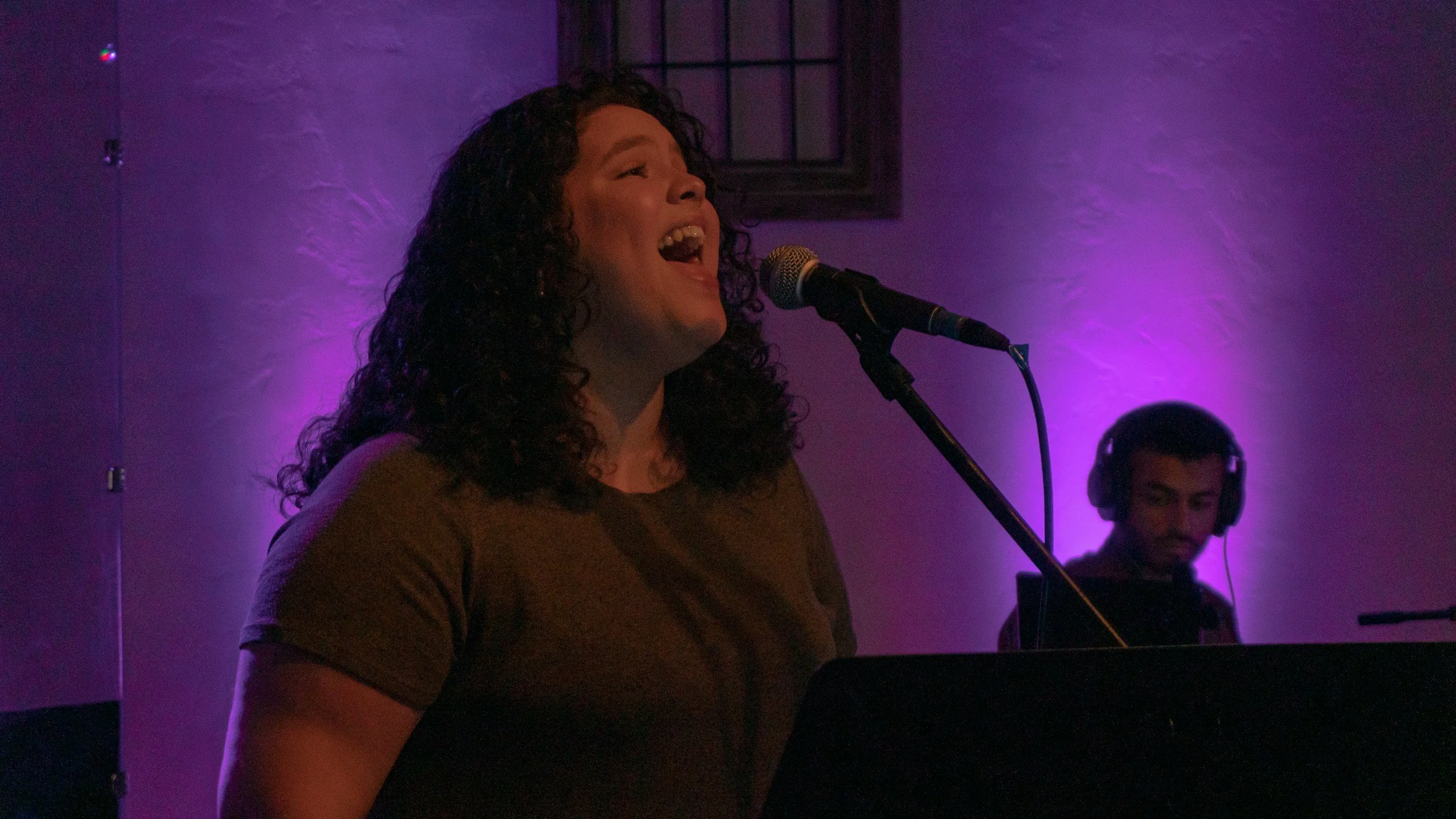
We connect to each other through voice—in fact, we are the only mammals that cannot breathe and swallow simultaneously, because of the position of the adult human larynx inside the throat.
Evolutionarily, we traded a mechanism for survival in order to use our pharynx for speech.

Language and singing are uniquely human.

And.
Gendered voice adds facets to singing that may be new to you as a voice teacher.
Though the topic is not necessarily new, our industry of voice teaching is still finding its way within conversations about gender.
Let’s shed the antiquated beliefs and practices that may keep your students from finding success.
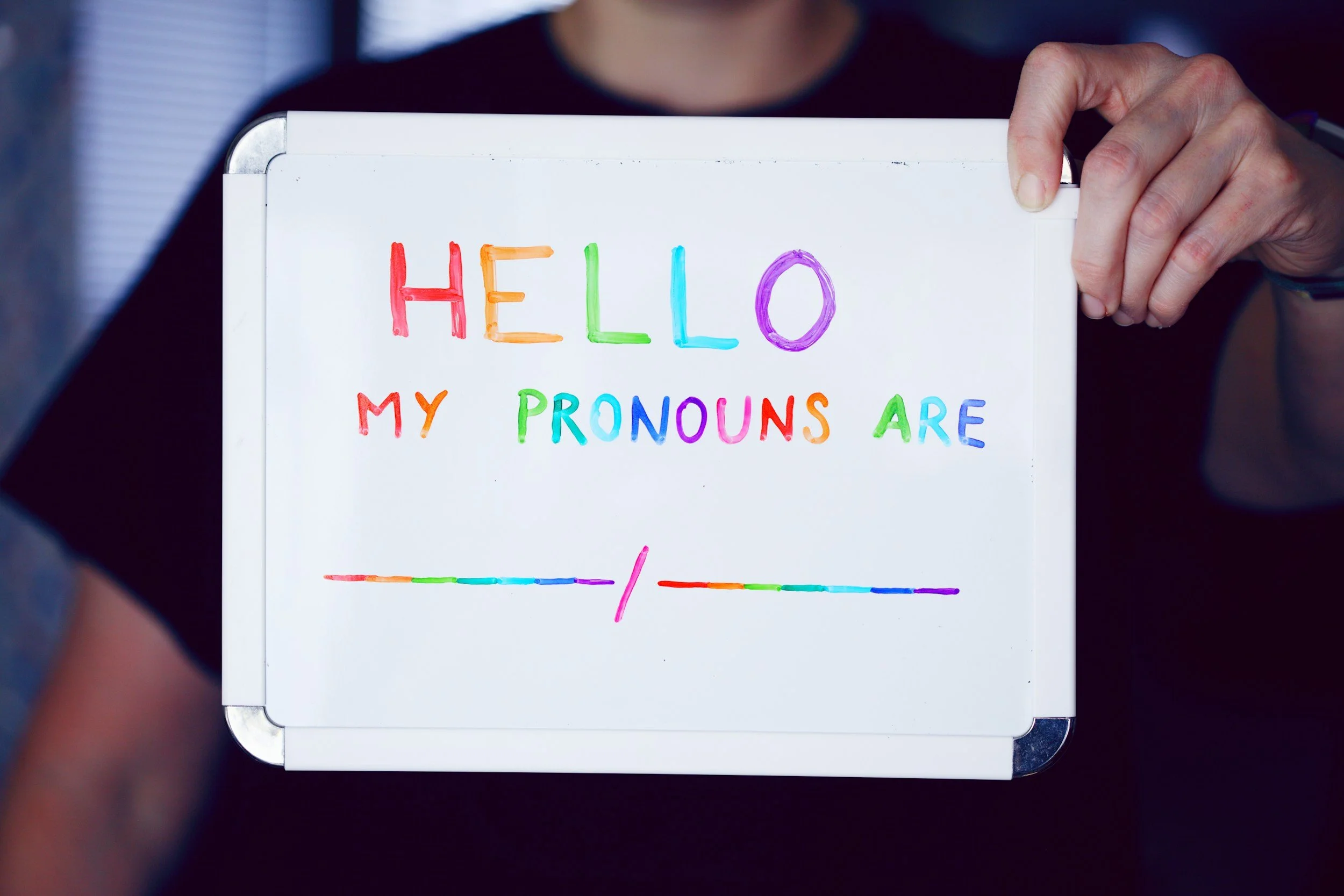
Your trans/non-binary students (and siblings) forge their own path. Their vision of successful singing may be outside of—or even contradictory to—how you were taught.
Singers constantly negotiate the balance of bringing themselves into their art, while creating art in a world that was not designed for them.
If the stakes seem high, it’s because they are.
You’re not alone, friend.


In our teacher training course for gender-affirming voice you’ll gain the tools, support, and community to more confidently guide your students while growing into a more inclusive, empowered educator.

Contents and what to expect
Class 1: Gender Foundations & Communication
Class 2: Transition and Voice
Class 3: Singing Voice Feminization
Class 4: Singing Voice Masculinization
Class 5: Teaching Techniques and Exercises
In each 2-hour class, we will:
Discuss topics relevant to the session
Experiment and try out techniques
Review previous homework, choose new projects
Reflect on experiences of gendered vocal pedagogy
Invite new perspectives on teaching inclusive lessons
Questions you’ll be able to ponder
(because there truly are no “correct” answers)
What is, and is not, gender?
How do gendered expectations influence my approach to vocal pedagogy?
Which questions are appropriate when I talk about gender with my students?
What happens when my student starts hormone therapy?
When should I change the key of my student’s repertoire—as opposed to choosing rep they can already do well?
Which exercises should I use for voice masculinization? Voice feminization?
Where is the line between being a supportive voice teacher and being a therapist?
You already know it’s about more than voice teaching…
Your commitment to inclusive teaching isn’t just about voice lessons. It’s about creating a ripple effect of acceptance and belonging.
When you join this community, you’re investing in your students, your studio, and a more inclusive future for music education.
Let’s make your studio a place where every voice feels heard.